GS1 explained
GS1 is the global organisation behind the standards that enable companies to identify, share and exchange product information consistently across supply chains. From GTIN barcodes to the Global Data Synchronisation Network (GDSN) and standardized product data models, GS1 provides a common language that allows trading partners to exchange trusted product information worldwide.

Understanding GS1 standards
GS1 standards define how products are uniquely identified and how their information is structured.
These standards are used worldwide by retailers, distributors and logistics partners to ensure consistent product data.
Why does GS1 matter?
Retailers increasingly expect suppliers to provide complete, standardised and validated product information through GS1-certified data pools. Without a common standard, every retailer would request product information in a different format, resulting in duplicate work, inconsistent data and costly errors.
Using GS1 enables companies to:

Exchange product information in a consistent format
GS1 provides a common language for product data, ensuring every trading partner receives and interprets information in the same way.

Improve product data quality
Standardized attributes and validation rules help ensure product information is complete, accurate and consistent across all channels.

Reduce manual data maintenance
By using one standardized data model, companies eliminate duplicate data entry, spreadsheets and repetitive product updates.

Accelerate new product introductions
Validated product information enables faster onboarding with retailers, distributors and marketplaces, reducing time-to-market.
Comply with retailer requirements
GS1 standards help organizations meet retailer-specific requirements and reduce validation errors during publication.

Improve the customer experience
Accurate and trusted product information improves online shopping experiences, reduces returns and builds customer confidence.
Has a retailer asked you to provide product data through GS1? See what this means for you as a supplier and how to get started.
Read more: Provide product data through GS1
Why is GS1 implementation challenging?
Although GS offers a common standard, implementation can be complex.
How Qmica simplifies GS1

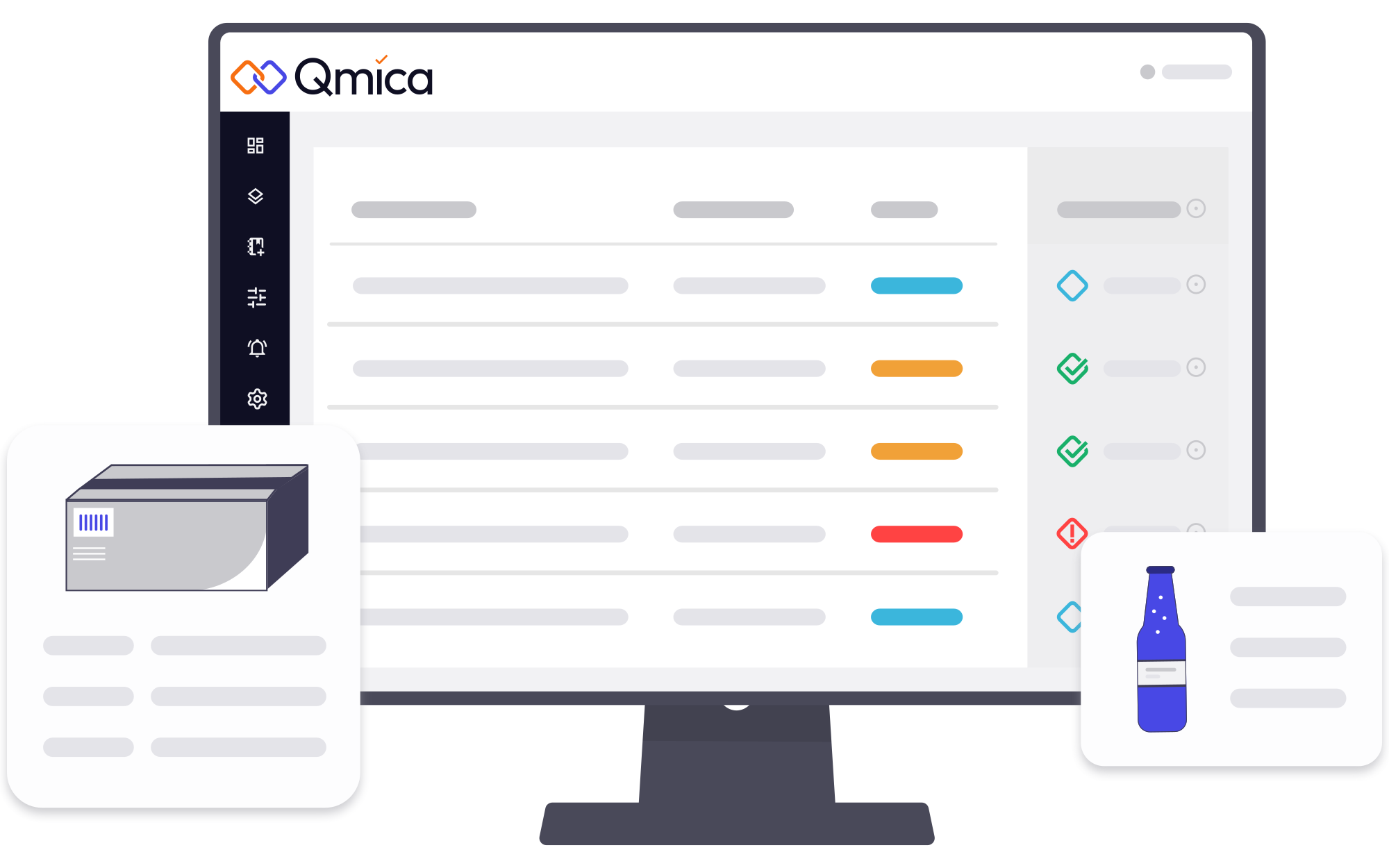
GS1 complexity
Managing GS1 manually quickly becomes difficult.
- Thousands of attributes
- Conditional requirements
- Market-specific rules
- Retailer interpretations
- Continuous updates

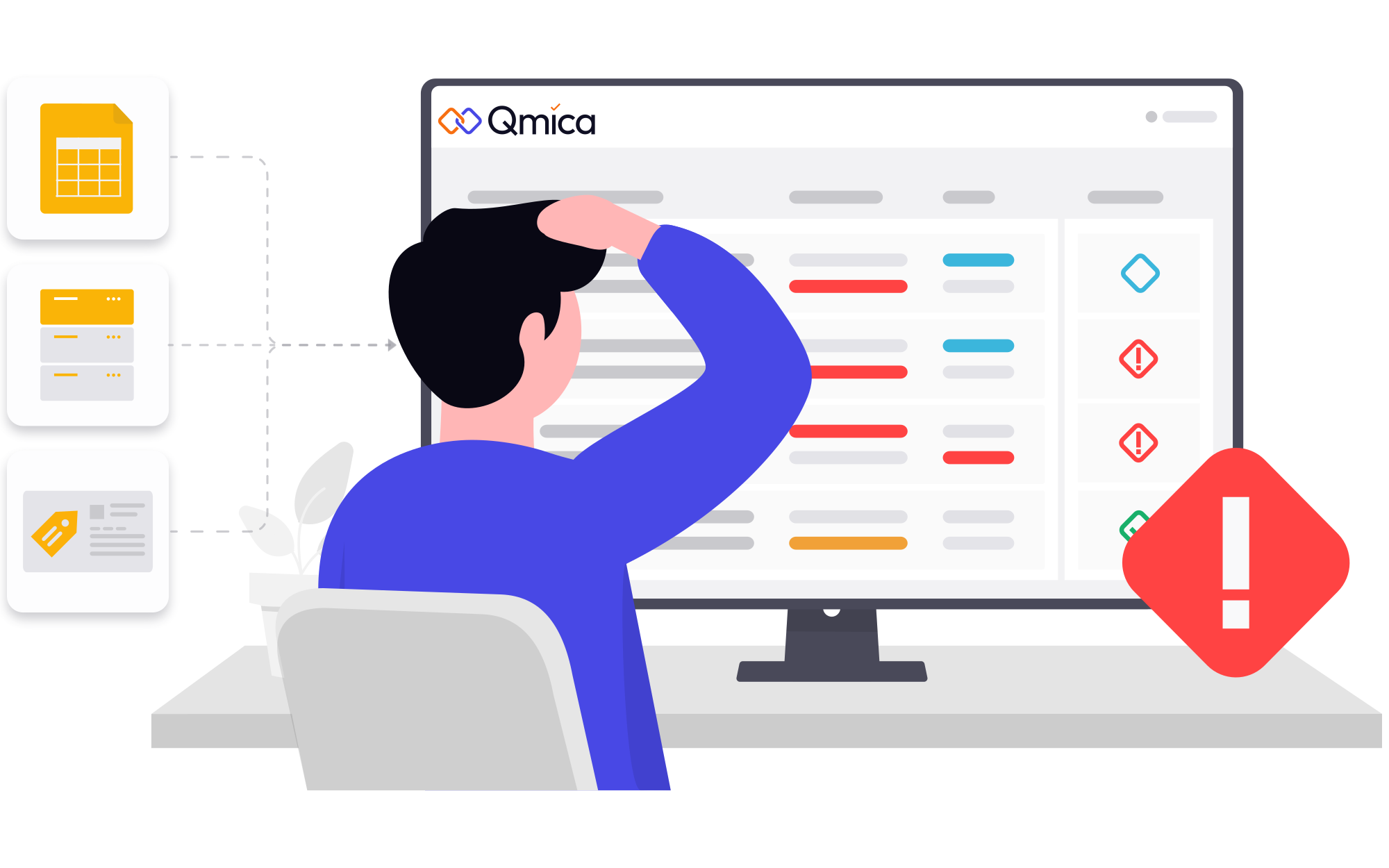
Qmica validates and manages
Qmica maps, validates and enriches product data according to GS1 standards before publication.
- Maps your internal data
- Applies GS1 validation
- Manages publication workflows
- Keeps product data compliant

Ready for every trading partner
Publish trusted product data with confidence.
- Validated attributes
- Standardized product definitions
- Market-ready data
- Seamless synchronization
From GS1 standards to GDSN synchronization
GS1 defines the global language for product information. GDSN uses these standards to exchange validated product data between suppliers, retailers and other trading partners.
Learn how GDSN makes it happen
GDSN is the global network that puts GS1 standards into practice. Product information is validated, published through certified datapools and automatically synchronized with trading partners.

What GDSN is and how it works
Certified datapools and data flow
Publication, subscription and updates
Benefits for suppliers and retailers
From GS1 standards to business value
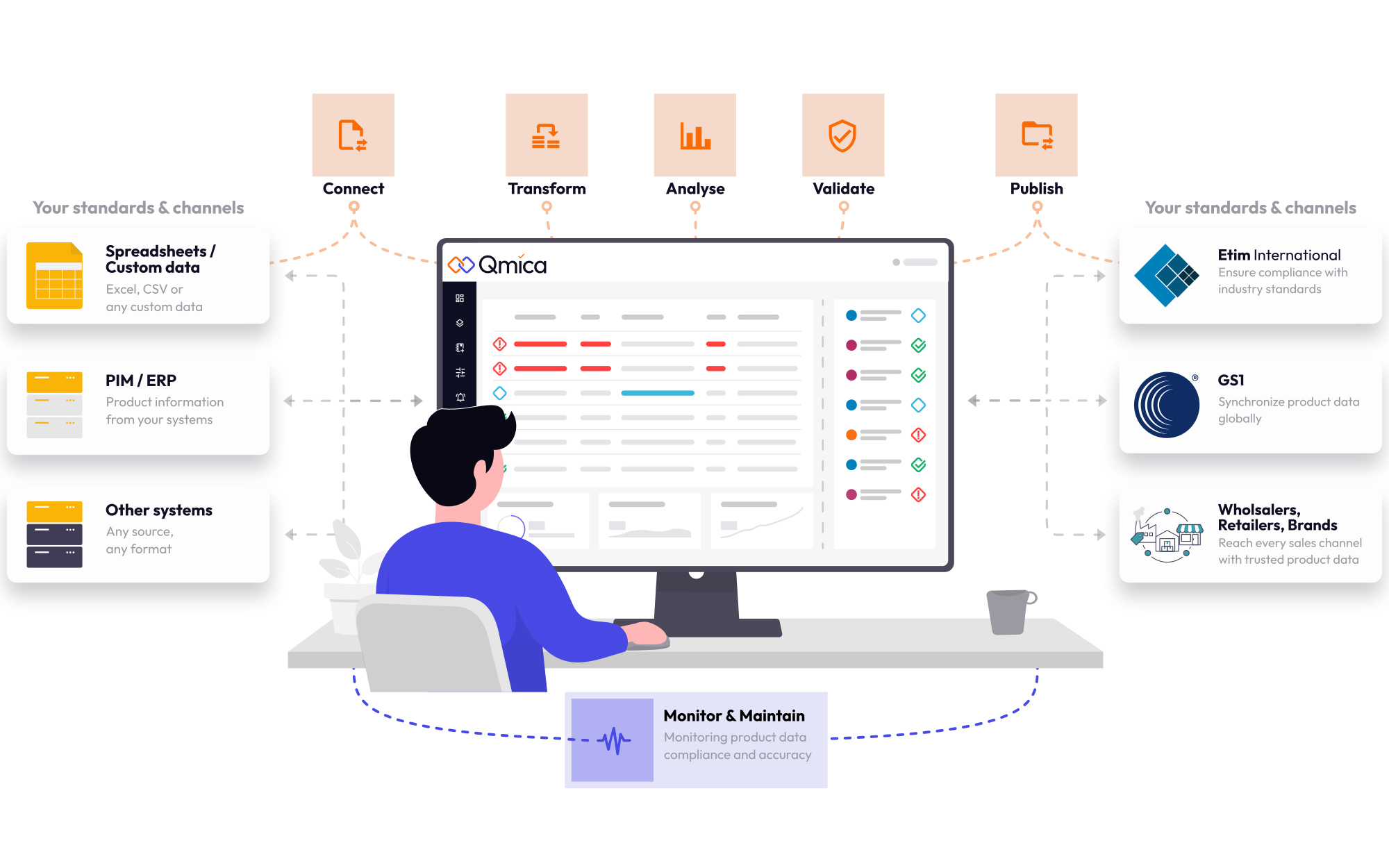
Understanding GS1 is the first step. Qmica helps you manage, validate and maintain standardized product data across every channel.